
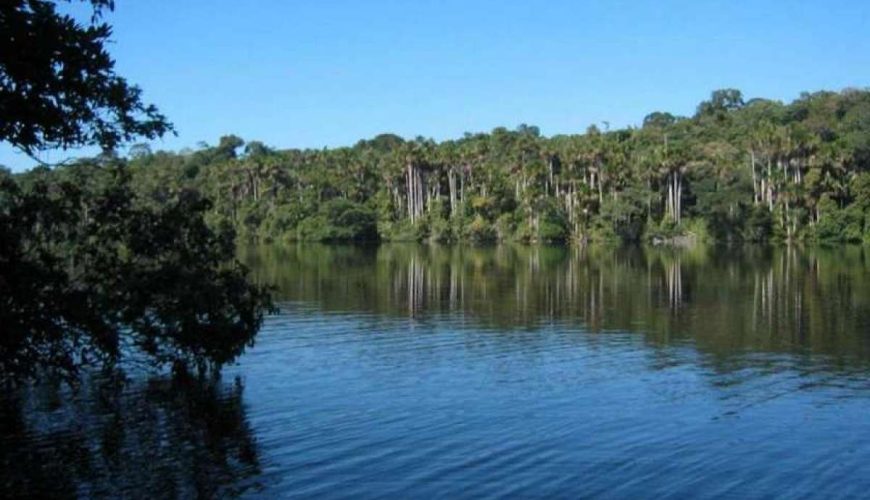
Lake Valencia Puerto Maldonado – Madre de Dios, Peru
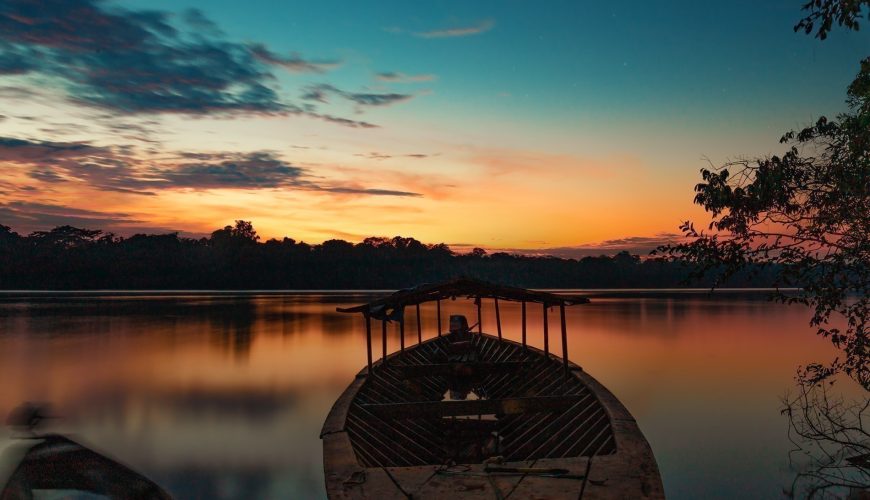
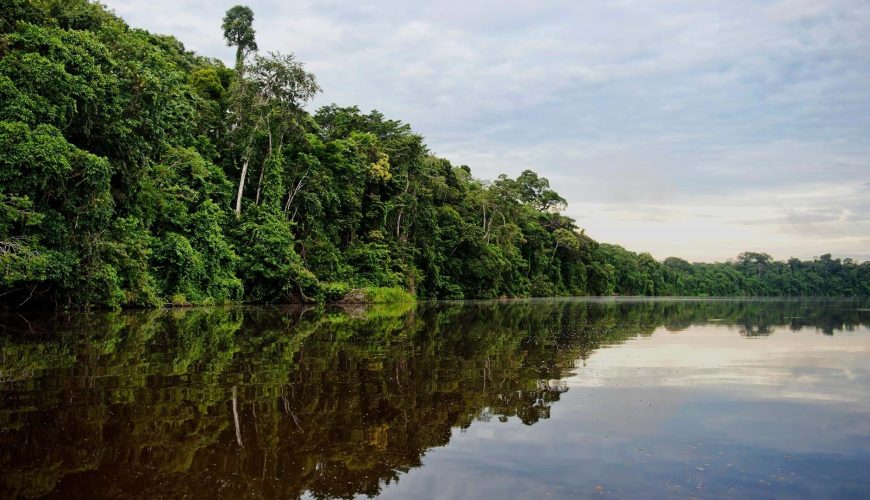
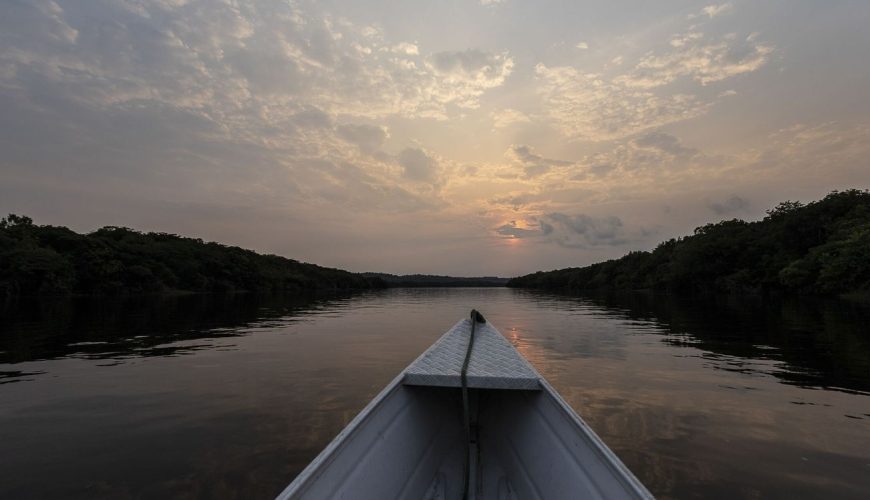
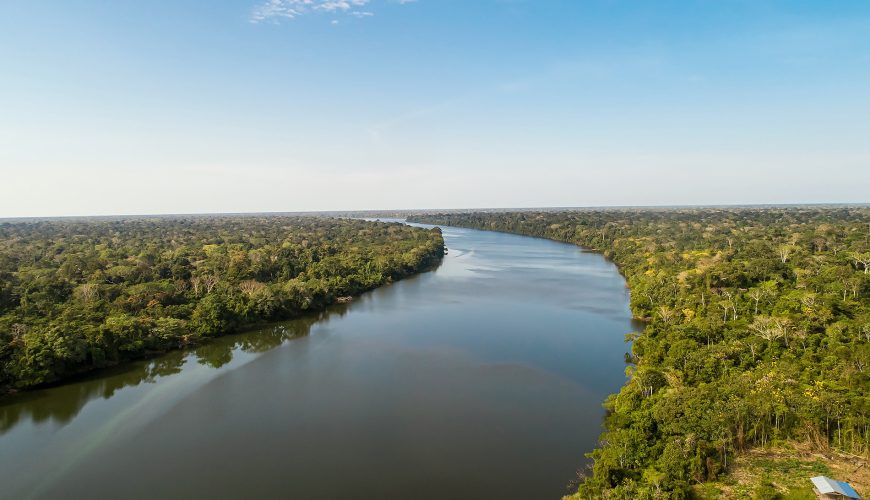
Lake Valencia is one of the largest and most scenic lakes in the Tambopata region of the Peruvian Amazon. With an approximate length of 15 kilometers, this oxbow lake was formed from an ancient meander of the Madre de Dios River and today stands as an important natural refuge surrounded by dense tropical rainforest and Brazil nut forests.
Located near Puerto Maldonado, Lake Valencia is renowned for its calm waters, pristine landscapes, and exceptional biodiversity. The lake plays a vital ecological role in the region and supports a wide range of wildlife species.
Its waters are home to a rich diversity of Amazonian fish, including piranhas, pacos, boquichicos, palometas, and paiche. One of the most remarkable inhabitants of Lake Valencia is the giant river otter, an endangered and iconic species of the Amazon that can occasionally be observed swimming, fishing, or resting along the lake’s shores. Their presence is a strong indicator of the lake’s healthy ecosystem.
The surrounding forest shelters monkeys, reptiles, turtles, and an extraordinary variety of bird species, making Lake Valencia an excellent destination for wildlife observation, birdwatching, and nature photography.
The area remains largely untouched and offers a peaceful environment where visitors can disconnect from urban life and experience the Amazon in its purest form. The lack of crowds and limited cell phone signal enhance its appeal as a place of tranquility and immersion in nature.
Lake Valencia is also closely connected to local communities whose traditional livelihoods include artisanal fishing and Brazil nut harvesting, practiced sustainably for generations. As part of the greater Amazon ecosystem of Madre de Dios, the lake represents both outstanding natural beauty and cultural heritage.
Lake Valencia is a true Amazonian gem — a place where water, rainforest, and wildlife coexist in remarkable harmony.
Notable Fauna:
- Fish: Paiche (emblematic species), piranha, catfish, dorado, gamitana, rays, and eels.
- Birds: More than 500 species, including herons, wild turkeys, and congregations on “Bird Island.”
- Mammals: Monkeys, giant otters.
- Reptiles: Caimans (lizards), turtles.
Notable Flora:
- Tropical Trees: Brazil nut, pumaquiro, lupuna, quinilla, cedar.
- Palm Trees: Aguaje, palmito.
- Medicinal Plants: Various species used by local communities.
Lake Valencia is located near the border with Bolivia and is an important site for artisanal fishing and ecotourism.

Comment (0)